+1 713-364-2938
 info@availaestheticsmd.com



Sample Page
Your Pre- and Post-Laser Care Guide: What to Do (and Avoid) for the Best Results

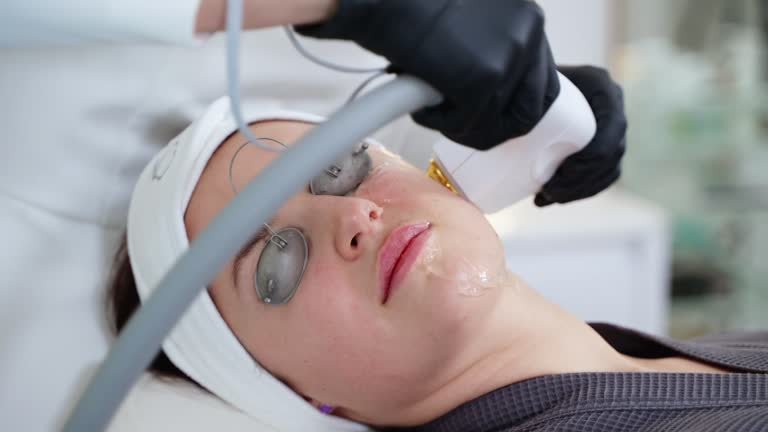
The success of your laser treatment depends on how you prepare and care for the area post-treatment. Avail Aesthetics MD emphasizes that individuals planning a laser treatment must prepare well in advance.
Most patients are aware of laser therapies but lack practical guidance on the procedure. That is why this laser treatment aftercare guide will provide you with the right guidance to support a smoother healing process.
Pre-Laser Skin Prep Tips
It is imperative that you begin carefully for a smoother recovery. Preparation matters as it helps minimize downtime while maximizing the results. Candidates opting for laser treatments must review their medical history and existing medications before undergoing treatment.
All pre-preparation must align with the chosen service. Someone undergoing laser resurfacing must prepare differently from someone preparing for hair removal.
At Avail Aesthetics, guidance begins with the concern, the type of service a patient requires, the skin type, and the skin’s condition for treatment.
Medical History
It is imperative to review the complete medical history before a procedure. This could include any recent skin allergies or reactions, herpes outbreaks, products used, and other medications. Our clinic encourages patients to have a constructive discussion with our medical professionals about their medications, cold sores, and any other matters that should be addressed before treatment.
This conversation is a crucial pre-treatment step to help the clinic confirm whether any medications or past history pose a risk. For some, the treatments may not be eliminated; only the timing may be changed or treatment delayed, while considering supportive medication for irritation-prone procedures.
Blood Thinners
Persons taking blood thinners and supplements must be carefully reviewed, well in advance, even if the service is non-invasive. The medical professional has to ascertain if the medications can influence skin reactivity or hinder recovery afterwards.
All patients on prescription medications must continue taking them and disclose this at the pre-treatment meeting.
Post Treatment Care
After treatment, you must take the utmost care of your skin and follow the directions prescribed by the medical professional.
The First 24 Hours
Pay special attention to your skin in the first 24 hours of the procedure. This is also what dictates your recovery. Skin is sometimes red and swollen, and can feel a little painful after the treatment. A cool compress may be recommended with no exposure to sunlight.
Avoid going out in the sun directly or prolonged sun exposure for the first few days. This works even pre-treatment. For instance, for resurfacing before and after care, the irritated skin must calm down before, during, and after treatment. Otherwise, the treated area could develop complications as it has already been stressed by UV rays. The practical step towards optimal healing is to stay indoors and avoid the sun.
Skin Care
Post-treatment, adjust your skin care routine to minimize skin irritation. While a good skin care routine is encouraged, patients must pause it when getting the treatment, as the skin may react more intensely to other products after being freshly exposed to the laser. Avoid glycolic acid, retinoids, and other acids.
Don’t treat post-treatment instructions as generic. Sometimes, laser treatment may require a more structured post-care regimen and careful scheduling. Check the recovery, too, when you choose a service.
Recovery Window
Some laser therapies, such as acne treatments, require a recovery window. This typically improves the skin’s texture when it is allowed to heal and is not exposed to external elements, including the sun. It is best to wait before rushing back to the full routine.
Exercising And Recreation
Avoid all saunas, spas, and gyms. Excessive sweating, prolonged heat exposure, and intense exercise can cause flushing and complicate the recovery procedure. Use a gentle cleanser, and administer consistent protection to the treated area.
If you are looking for an early recovery, don’t consume alcohol post-treatment. Alcohol can contribute to dehydration and flushing. The skin begins to feel dry and warm and becomes sensitive. It is best to give the skin a better environment for recovery.
What you really need is plenty of rest, hydration, and reduced exposure to heat for a comfortable recovery, at least for the first few days. These sustainable habits will help you accelerate your recovery and see changes in yourself.
At Avail Aesthetics MD
As experts in advanced skin care and aesthetic treatments, we combine science with cosmetics to administer regenerative therapies to improve your skin’s health and your social life. Speak to our experts today.
FAQ
It is best to avoid overexposure to heat and UV rays to support proper healing.
Our medical professionals collect your medical, physical, allergy, and family history before administering the requested treatment.
It is best to avoid any intense exercise, including swimming, to promote recovery.
It is best to avoid any kind of skin products, as you are fresh out of treatment. If you really do wish to, use fragrance-free natural products after some time.
That depends on your constitution and dedication to the procedure. For more information, speak to our medical professionals.